Your customers are getting real results.
Your case-study library doesn't show it.
You've got people who'd vouch for you tomorrow. Time to get them on your site!
In construction, buyers don’t trust claims. They trust other contractors.
You already know the proof exists. The deployment that went brilliantly. The number that made a customer’s quarter. It’s all real but it’s not written down where your next buyer will look. When you have evidence that doesn’t become proof, it’s…frustrating.
Meanwhile your feature list isn’t closing a cautious main contractor or a risk-averse consultancy. A customer who looks like them, on a project like theirs, saying “this worked” — that closes them.
The problem is that customer doesn’t get asked and results sit in a QBR deck nobody outside the account team sees. The case study that’s been “on the roadmap” for two quarters is still on the roadmap.
That’s the asset you’re sitting on. A proper customer story is what turns it into proof.
Give me a happy customer. I’ll turn them into a story your next prospect can’t argue with.
Point me at a customer who’s seen results, and I’ll handle the rest. That includes getting them to a YES — the part that usually stands in the way of giving great proof online.
It won’t be a testimonial their legal team will object to but we will craft a story your customer actually wants their name on.
After that, I will interview them about what the project involved, what your product replaced, what changed, and the numbers where they exist. I’ll write that up as a customer story you can put straight to work: on the site, in the deck, as demo follow-up, or as the backbone of a LinkedIn campaign.
What it looks like in practice
Three examples of writing for companies selling into construction.
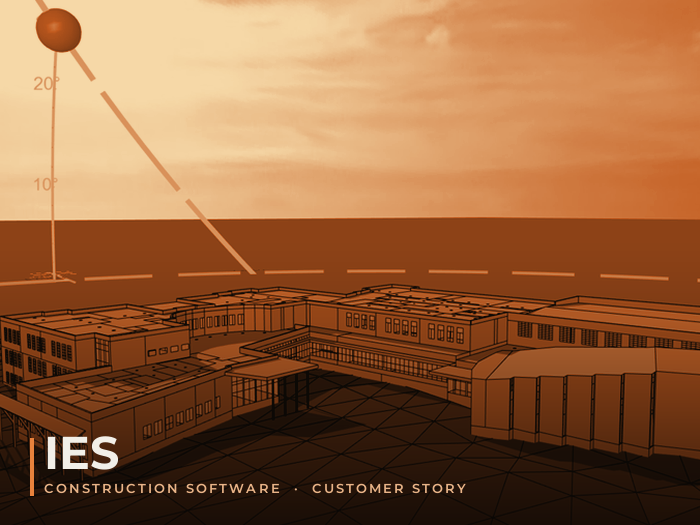
How calibrated modelling found a 20% gas overrun at a LEED Platinum school — and fixed it for virtually nothing. An interview-led technical story showing how simulation and real BMS data pinpointed a single air-handling unit left in manual mode, then corrected it. → Read it.
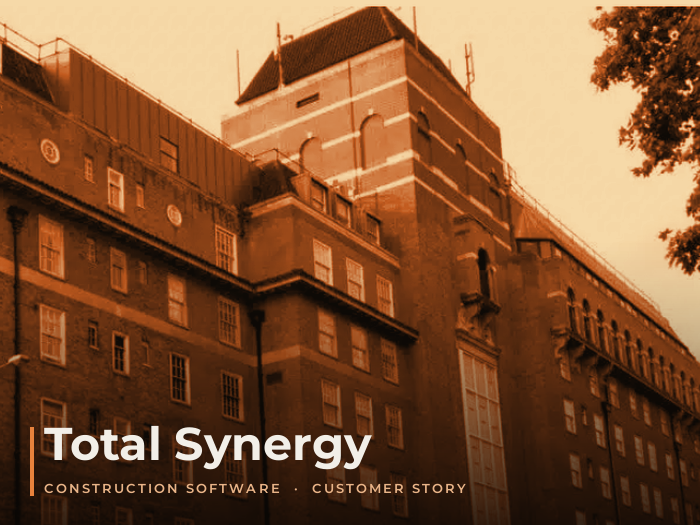
How a fire engineering consultancy keeps every live project visible from one platform. An interview with the customer about replacing a tangle of disconnected systems with a single view of every project’s progress, cash flow and profitability. → Read it.
A selection of project features written for a building-products manufacturer’s magazine — real projects, written for a construction buyer, not a content calendar. → See the work:
Simple to get started
1
Point me at a happy customer
A deployment that went well, a client who’d vouch for you. A warm intro is all I need.
2
I interview them
A short conversation — 30 minutes — in their language. I get the detail a feature list can’t: what it replaced, what changed, the results that matter to the next buyer.
3
You get your finished customer story
Ready for your site in seven days, your sales deck, demo follow-up, or a content campaign. Written to persuade a construction buyer, not to tick a content-calendar box.
I’m not a lad on work experience.
I’ve spent over 20 years writing about construction for main contractors, major consultants, suppliers, subbies, and the industry press. My dad was a builder. So I understand the building process from foundation to handover, and I understand exactly why your buyer is cautious.
That means two things a generalist tech writer can’t offer. I can sit a fire engineer, a QS or an M&V consultant down and actually get the story out of them. And I can tell which result matters to the next prospect — and which is just noise.
Customer stories that turn complex work into clear evidence.
Michael took our brief away and after talking to two customers, gave us great stories that we’ve since used on various campaigns across a range of media including case studies.
— Damiaan van Zanen EMEA Regional Manager, Total Synergy construction platform
If your customers’ best results aren’t written down, they’re not working for you.
Start with one story. If it does the job — and it will — you’ll know exactly what to do next.